The waves in Monterey are performing their usual nighttime sermon — relentless, confident, indifferent to real estate transitions. It has been exactly one night in the house that used to be our forever home and is now an emerging “coastal income opportunity.” Nothing says generational legacy like installing a keypad lock. I am here for the week to help my mother convert memory into passive revenue. We are not selling out. We are diversifying. There will be artisanal throw blankets and laminated instructions for the espresso machine. There will be tourists boiling crab where my father once read the sports section in silence. I am not bitter. I am economically adaptive.
The waves begin to press against sleep, and for a moment I think I might drift — but then the house releases a sound that does not belong to water. A scream. Not fear. Not danger. My mother. There is a particular octave in a mother’s voice that activates ancient muscle memory. It says: you have failed, and also please fix this. I rise from bed with the reflexes of a woman who has raised children and Googled neurological disorders at 3 a.m. I do not need a cape. I have compression leggings and unresolved attachment patterns. I ascend the stairs like an emotional first responder — certified in CPR, conflict mediation, and shadow-based reptile negotiations.
At the top of the stairs stands my mother: five feet of Portuguese fury in a nightgown that has survived decades of insomnia. She is pacing. She is sobbing. She is conducting a one-woman opera titled Why Is He Like This. On the couch sits my father. He looks like a boy who has been scolded for tracking mud into a house he does not remember entering. It is two in the morning. He has committed the crime of wakefulness. “NO, everything is not okay,” my mother informs me, as if I were the regional manager of Nighttime Stability. I place my hand on her shoulder. “I’ll take this shift,” I say, as though we are exchanging hospital badges.
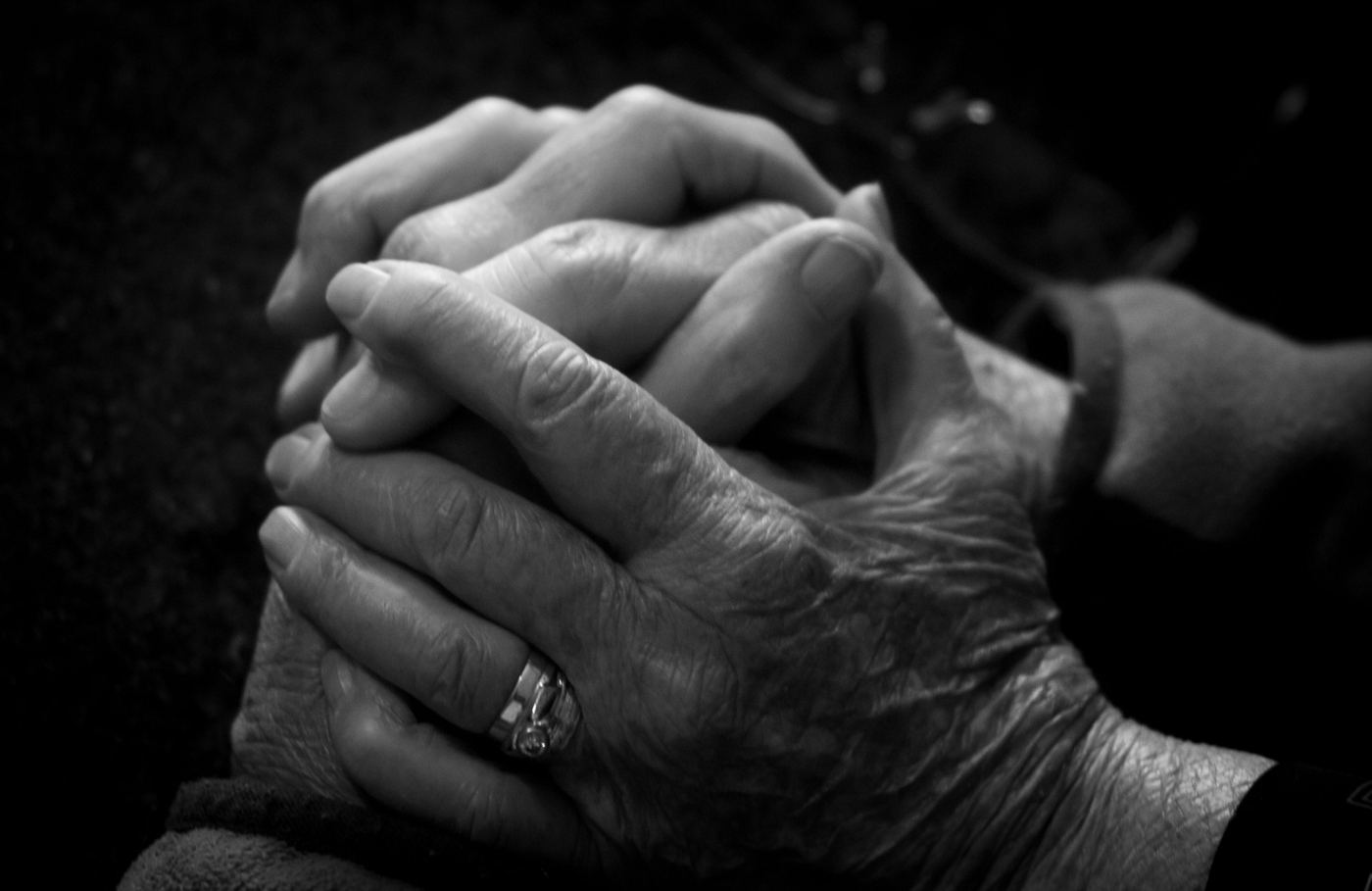
I sit beside him. His hands — sixty years of work, fatherhood, secrets, and perfectly folded laundry — rest quietly in his lap. I take them the way a daughter does when she is trying to be both anchor and child. “Can’t sleep, Dad?” He doesn’t answer the question. He is looking above the television. “Do you want to see something funny?” he asks, calm as a man offering popcorn. Laughter is not currently scheduled for this hour, but I nod. “If you look hard enough,” he says, pointing toward the wooden sculptures above the armoire, “they’re snakes. And they look back at you. I know they aren’t. But they are. Aren’t they?”
The moonlight casts long shadows. The carvings stretch into something coiled and patient. Medicine calls this Lewy body dementia. Science says plaques and proteins. My mother says exhaustion. My father says snakes. This is not his first hallucination. It is the first one he has invited me into. He has always been a man of edited truths — childhood bruised by a mother who loved loudly and painfully, a first marriage filed quietly into history, athletic brilliance stored in a drawer marked unnecessary. He carried entire chapters alone. But tonight he wants company. He does not want correction. He does not want data. He wants someone to sit with him while the snakes breathe.
“What do you think they’re looking at?” I ask, leaning into the game.
He squints at the shadows with mock seriousness, as if they’ve told him a secret. For a second, something bright flashes — not the patient, not the diagnosis, but a younger version of him, amused by his own imagination. The spark is quick and intact, and the joy of it catches in my throat.
Then it’s gone.
His face shifts, searching for what just slipped away. He turns toward me — not playful now, but unsure — and I watch the boy fold back into my father, and my father into someone who needs help finding the room.
“You must be tired,” he says gently. “You have a big day tomorrow. Want me to rub your back?”
The request rearranges time. I am eleven again. The hallway light is on. He sits at the edge of my bed, scratching small circles between my shoulder blades until sleep claims me. Back then he was the fortress. Back then there were no snakes. I lower myself carefully and rest my head on his lap. He scratches my back. His hand moves slowly, deliberately — a man performing a skill he still remembers.
Downstairs, the ocean continues its indifference. Somewhere in the house, a future guest will someday complain about insufficient bath towels. The rental listing will boast “ocean views” and “cozy family charm.” Up here, in the half-light, I lie beneath imagined reptiles and very real grief. He scratches. I breathe. For a moment, he is not a diagnosis. Not a liability. Not a project. He is my father.
And if there are snakes, they are patient ones. They coil in shadow and watch us the way memory does — not to strike, but to witness. We sit there together inside the absurd economy of love, inside the long night, inside the strange mercy of being able, still, to care for each other.